

Molluscum Contagiosum: Those Small Bumps Might Need a GP Check
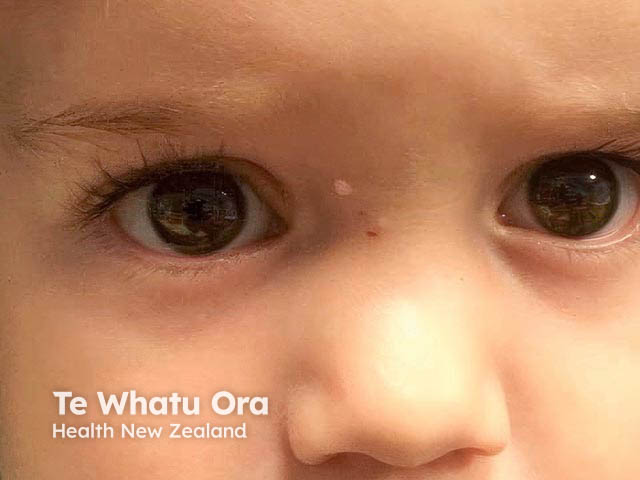
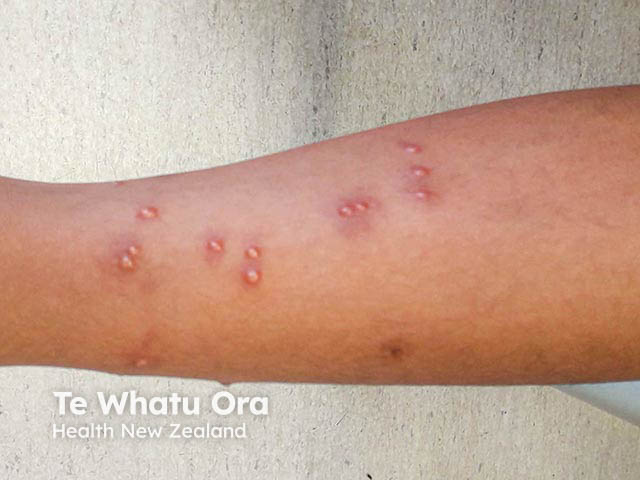
Have you noticed small, round, flesh-coloured or pink bumps on your skin? They could be molluscum contagiosum, a common viral skin infection that is particularly common in children, but can affect people of any age.
At Parkhill Medical Centre, our GPs can assess unusual skin bumps, help determine whether they may be molluscum contagiosum and discuss whether treatment is appropriate for you or your child.
The good news? Molluscum contagiosum is usually harmless and often clears on its own. However, treatment may sometimes be recommended to reduce spreading, prevent irritation or address concerns about the appearance of the spots.
What does molluscum look like?
Molluscum usually appears as small, raised, round bumps that may be:
- Pink, white or skin-coloured
- Smooth and firm
- Usually painless
- Characteristically dimpled or indented in the centre
- Sometimes itchy, particularly if eczema is also present
The spots can occur anywhere on the body and may spread when the bumps are scratched or touched.
If you’re unsure whether a skin lesion is molluscum, a GP at Parkhill Medical Centre can examine the affected area and provide advice.
How does molluscum spread?
Molluscum contagiosum spreads through direct skin-to-skin contact and can also spread through contaminated items such as towels, clothing or bath toys. In adults, lesions around the genitals, lower abdomen, thighs or buttocks can also be sexually transmitted.
To help prevent spreading it:
- Avoid scratching or picking at the spots
- Don’t share towels, clothing or face washers
- Wash your hands after touching affected areas
- Keep exposed lesions covered where practical
- Avoid shaving over affected areas
Does molluscum need treatment?
Not always. In many people, the immune system clears the infection without treatment, often within several months. However, some people may benefit from treatment — particularly if the spots are spreading, persistent, causing irritation, affecting self-confidence or are located in sensitive areas.
At Parkhill Medical Centre, your GP can assess your individual circumstances and discuss whether treatment is recommended.
Depending on your individual circumstances, your doctor may discuss options such as freezing the spots (cryotherapy), removing them, or using a topical treatment. Some treatments can cause irritation or temporary marks, so it’s important to discuss the most appropriate option with your doctor.
When should you see your doctor?
It’s a good idea to have unexplained skin bumps checked rather than assuming they are molluscum. Your GP can usually diagnose molluscum by examining the spots and can discuss whether treatment is appropriate.
If you or your child has persistent, spreading or irritating skin bumps, Parkhill Medical Centre can help you understand what they are and whether treatment may be appropriate.
Not sure what those bumps are? Ask your doctor.
Ask your doctor how to treat molluscum
If you or your child has bumps that look like molluscum contagiosum, book an appointment at Parkhill Medical Centre to discuss diagnosis and treatment options.